Walnut Shell Powder
- I.N.C.I.: Juglans Regia Shell Powder,
CAS # 84012-43-1Natural Walnut Shell Powder, an ingredient for different applications in various industries...
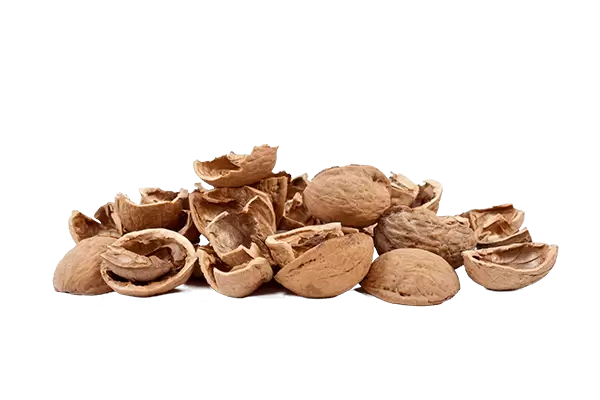
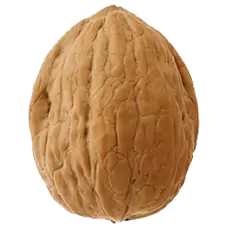
Walnut shell powder is a versatile ingredient with a harmonious light brown colour and a neutral smell.
What are Walnut Shell Granules?
Walnut shells are a by-product of walnut processing, mainly for the food industry. As walnuts are rich in polyunsaturated fatty acids, protein, B-vitamins and minerals (especially magnesium, manganese and potassium), they are grown in enormous volumes. The walnut production amounts to around 3.5 million tons per year with China being the largest producer. Significant quantities are grown in the United States, Romania, Mexico, Turkey, Iran and Spain.
A variety of the common walnut is the black walnut (botanical name: juglans nigra). It is native to North America and characterized by a particularly hard shell (hardness according to Mohs = approx. 4.5). Due to the inhomogeneous shape of the edible walnut, some remainders might stick to the shell, which leads to some oil content of the walnut shell powder. The granules have relatively sharp edges, however, scratching can be minimized by choosing a smaller grain size range.
Walnut Shell Abrasives in Various Industries
Its hardness of 3.5-4.00 according to Mohs scale makes walnut shells an effective natural abrasive in sandblasting, polishing and cleaning of hard materials such as metal, carbon fiber, concrete or hard plastic. This helps preserve and maintain industrial, medical and automotive equipment. Common examples of use can be found in aviation, where walnut shell granules are used for the cleanout of engines and turbines in an air jet blasting process. Besides, the biodegradable grit reliably removes corrosion or any chemical coating from boats, planes and buildings without the need for additives. It is also a bio-ingredient for hygiene products: especially in surface cleaners - above all graffiti removers - walnut shell granules have proven to be a number one choice.
Further Uses for Walnut Shell Flour:
- Filtration and separation of fluids
- Drilling, i.e. in drilling fluids and as pipe cleaning material
- Filling of coatings, especially where a lasting anti-slip effect is desired
- Filling of reinforced plastics used in extrusion or injection molding
- Industrial ceramics: as porosity enhancing and burn-out media
- Deflashing systems
- Agrochemicals: carriers for pesticides and herbicides
- Fertilizers: as base powder and binder
Walnut Shell Powder in Cosmetic Applications
As other nuts, walnuts can cause allergic reactions. The nut shell powder should therefore be used with care in applications related to skin contact or oral use. Although bio-based walnut shell granules have become a popular microplastic replacement in certain cosmetics, their ideal use should be on a more industrial scale. For fine personal care products such as body and face scrubs, we have optimized solutions (e.g. olive stone granules) with stronger benefits.
Walnut shell powder can be a filler medium for bio-based household solids, e.g. toiled rim blocks or soluble tablets of any type. Its binding and dispersing behavior can be combined with perfumes and colorants to create attractive biodegradable consumer items.
BioPowder is a reputable manufacturer and supplier of fruit stone granules, bio-based abrasives without any chemical additives. We attach great importance to sustainability and are proud of our outstanding product quality. We offer direct sale benefits and deliver to European countries (like UK, France, Germany, Switzerland, Austria etc.) and also worldwide. Contact us now!
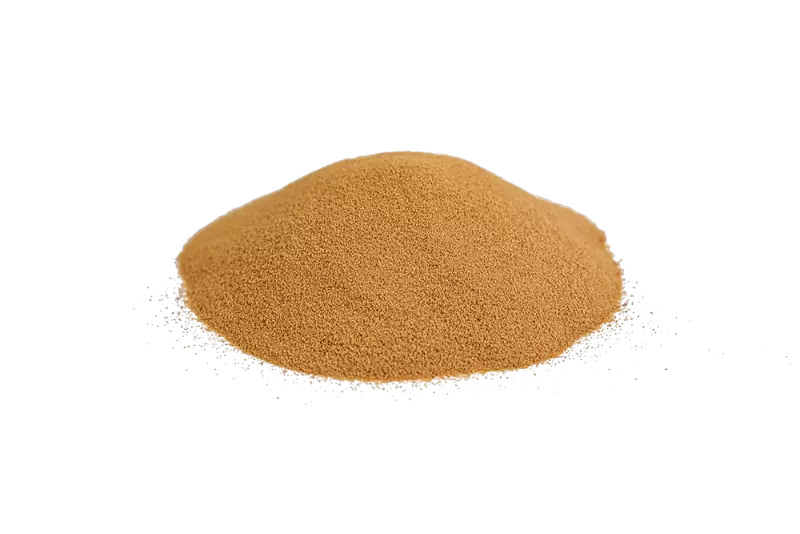 60 - 200 microns
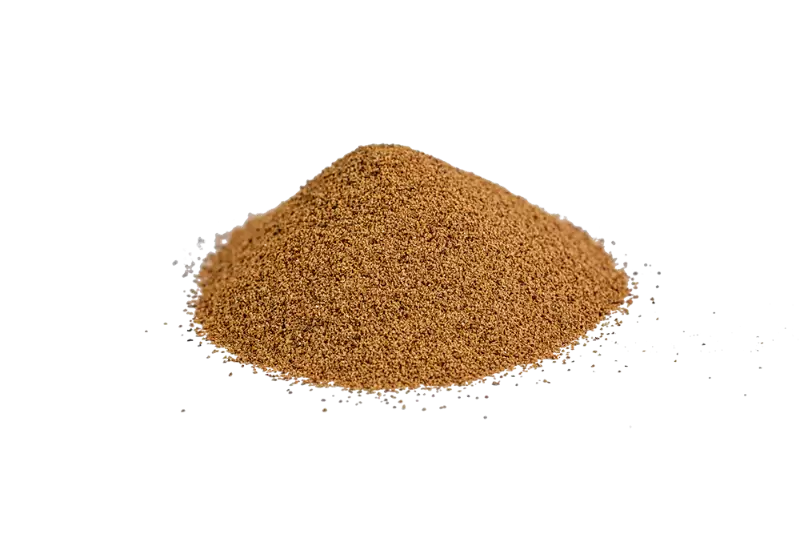 35 - 60 microns
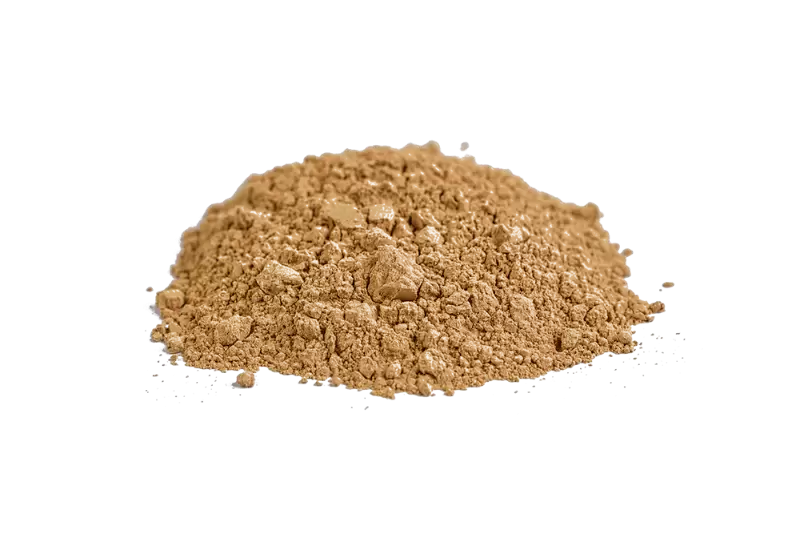 0 - 200 microns